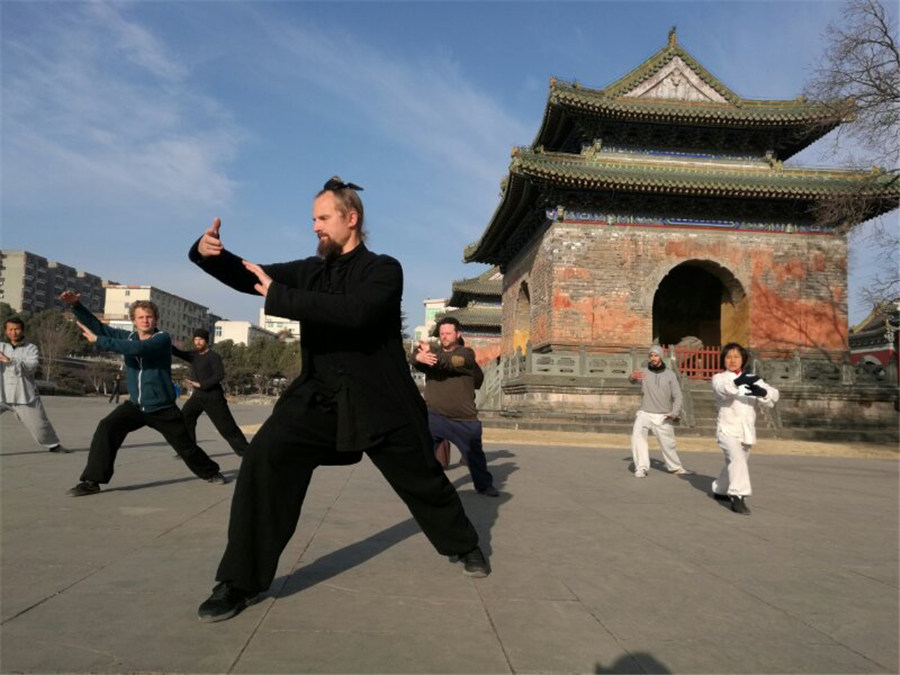
Wudang Martial Arts
Introduction
Wudang Martial Arts, commonly associated with the Wudang Mountains in China's Hubei province, represents one of the most renowned schools of Chinese martial arts, deeply rooted in Daoist traditions. The practices are celebrated for their philosophical foundations, which emphasize the harmony between mind, body, and spirit. This martial arts tradition is not only a physical discipline but also a spiritual and cultural pursuit that has attracted practitioners worldwide.
At the heart of Wudang Martial Arts is a deep connection to Daoist philosophy, which emphasizes living in harmony with the Dao, or the natural way of the universe. This connection manifests in the martial arts through the principles of yin and yang, balance, and the integration of opposites. Practitioners are encouraged to move with the flow of natural energy, using softness to overcome hardness and stillness to control movement. This philosophical approach not only enriches the martial practices but also lends itself to a broader understanding of life and the world.
Historical Background
The origins of Wudang Martial Arts trace back to the early Ming Dynasty (1368-1644), attributed to the legendary Daoist monk Zhang Sanfeng. Legend asserts that Zhang developed a style of martial arts that harmonized internal energy cultivation with external martial techniques, laying the foundation for what would eventually evolve into Wudang Martial Arts. The practices are characterized by fluid movements, strategic thinking, and an emphasis on internal power, distinguishing them from the more external force-focused Shaolin martial arts.
Key Features
The martial arts of Wudang are celebrated for their distinct style, which integrates tai chi, Xingyiquan, Baguazhang, and various traditional Chinese weaponry techniques. Practitioners train to develop flexibility, balance, and mental clarity, focusing on the flow of qi (life energy) throughout their movements. The practice not only enhances physical strength and health but also promotes a meditative state of mind, allowing practitioners to achieve a balance between action and stillness.
The Wudang Mountain region hosts many martial arts schools, training numerous kung fu enthusiasts globally. These educational centers attract students from diverse cultures, offering an immersive experience in both martial arts and Daoist philosophy. The emphasis lies in nurturing a deep understanding of the internal aspects of martial arts, encouraging students to cultivate their inner energy and apply it effectively in their physical practice.
Global Influence and Cultural Exchange
The influence of Wudang Martial Arts continues to expand as more individuals seek holistic approaches to physical and mental well-being. International students often return to their home countries to establish martial arts schools, contributing to the global appreciation and understanding of this traditional Chinese practice. The cultural exchange facilitated by these efforts enhances mutual understanding and respect among different nations, highlighting the universal appeal of Wudang Martial Arts as a tool for personal development and cultural bridge-building.
Techniques and Styles
Wudang Martial Arts encompass a wide variety of techniques and styles, each contributing to the overall discipline. Key styles include:
Tai chi (Taiji): Known for its slow, flowing movements, tai chi emphasizes balance, coordination, and internal energy cultivation. It is often practiced for its health benefits and meditative qualities.
Xingyiquan (Form-Intention Fist): Distinguished by its aggressive, linear movements, Xingyiquan focuses on directness and efficiency, often incorporating animal forms and mimicking their movements.
Baguazhang (Eight Trigrams Palm): This style is characterized by circular movements and complex footwork, designed to evade attacks and outmaneuver opponents.
Daoist Sword Techniques: Weaponry plays a significant role in Wudang Martial Arts, with the sword being one of the most iconic weapons. Sword techniques emphasize grace, precision, and the seamless integration of weapon and body.
Traditional Practices and Rituals
Beyond the physical practice, Wudang Martial Arts involve a variety of traditional rituals and practices that deepen the practitioner's connection to the art and its cultural heritage. These may include:
Meditation and Qi Gong: Essential for cultivating internal energy and achieving mental clarity, these practices are integral to the Wudang Martial Arts philosophy.
Daoist Rituals: Practitioners may engage in Daoist ceremonies and rituals, honoring the spiritual roots of their martial practice.
Tea Culture: As exemplified by practitioners, the cultivation and appreciation of tea is a complementary practice that aligns with the principles of patience, mindfulness, and appreciation for nature.
Contributions to Health and Wellness
The training environment in Wudang Mountain is as much a part of the martial arts experience as the techniques themselves. Nestled in a region known for its natural beauty and spiritual significance, the mountains provide an ideal setting for martial arts practice. The serene environment encourages introspection and helps practitioners connect with the natural world, enhancing their martial and spiritual journey.
Wudang Martial Arts are celebrated not only for their martial prowess but also for their contributions to health and wellness. The practice emphasizes the importance of balance, both physically and mentally, and is associated with a range of health benefits, including improved flexibility, cardiovascular health, and stress reduction. This holistic approach to health is one of the reasons Wudang Martial Arts have gained popularity globally, offering a pathway to physical fitness alongside mental and emotional equilibrium.
Challenges and Preservations
As an integral part of Chinese cultural heritage, Wudang Martial Arts are actively preserved and promoted through various initiatives. The Chinese government, along with martial arts associations and individual practitioners, work to maintain the authenticity of the practice while adapting it to contemporary contexts. These efforts ensure that future generations can continue to learn and benefit from this rich tradition, while also allowing for innovation and adaptation in response to changing cultural dynamics.
While Wudang Martial Arts face challenges such as commercialization and the dilution of traditional practices, they also have numerous opportunities for growth and innovation. The global interest in holistic health and wellness, along with a growing appreciation for cultural diversity, provides a fertile ground for the expansion of Wudang Martial Arts. By embracing modern teaching methods and technologies, practitioners can reach wider audiences and sustain the relevance of this ancient practice in a rapidly evolving world.








